Webinars
Fall 2026 CINSER Webinar Series
Filed, Flagged, and Filtered: Navigating the AI Systems That Sort Us
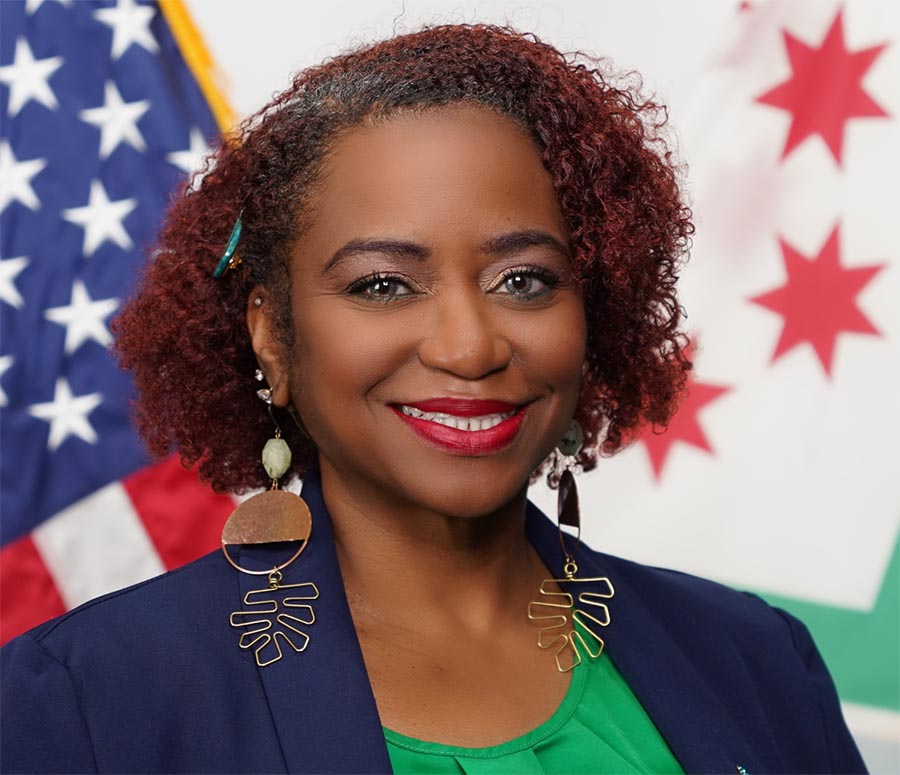 Speaker: Kyla WilliamsTate, MBA, Digital Equity Director, Cook County, Illinois
Date and Time: September 16, 2026, 11am CST
Abstract
Artificial intelligence does more than generate content. It classifies people, assigns risk, directs attention, and increasingly shapes decisions across education, employment, healthcare, and government. As AI becomes part of the infrastructure of teaching, research, public services, and everyday life, many of the systems influencing those decisions remain difficult to see or question. Drawing on work in ethical archives, digital equity, public service, and AI governance, this talk introduces a practical framework for evaluating AI through the lenses of transparency, accountability, equity, and public trust. Faculty, staff, and students will leave with a practical framework for asking better questions before integrating AI into their teaching, research, work, and everyday decisions.
Biography - Kyla WilliamsTate
Kyla Williams Tate is the inaugural Director of Digital Equity for Cook County Government in the Office of the President and an Advisory Fellow at Loyola University Chicago’s Center for Digital Ethics and Policy. Her work sits at the intersection of public policy, AI governance, digital equity, community power, and art. She is a Rising Civic AI Leader through Aspen Digital and the Aspen Policy Academy and has earned certificates of distinction from the Center for AI and Digital Policy’s Basic and Advanced AI Policy Clinics. In 2025, she was recognized as NDIA’s Digital Equity Champion and ScaleLIT’s Literacy Leader.
Past Events
Spring 2026 Artificial Intelligence Initiative Webinar Series
From Code to Care: A Roadmap to Navigating AI in Healthcare
Speaker: Andrew Wong, MD, MS, Assistant Professor & Director, National Clinician Scholars Program
Institute for Healthcare Policy and Innovation & Clinical Instructor, Department
of Internal Medicine, University of Michigan Health System
Date and Time: April 23 2026, 11:30 AM CST
Abstract
The rapid advancement of clinical AI systems over recent years offers potential to revolutionize our approach to healthcare in the U.S. This talk will explore the rapid evolution of clinical AI tools, evaluate their impact on clinical care, and highlight essential considerations for governance and oversight before and after real-world implementation.
Biography - Andrew Wong
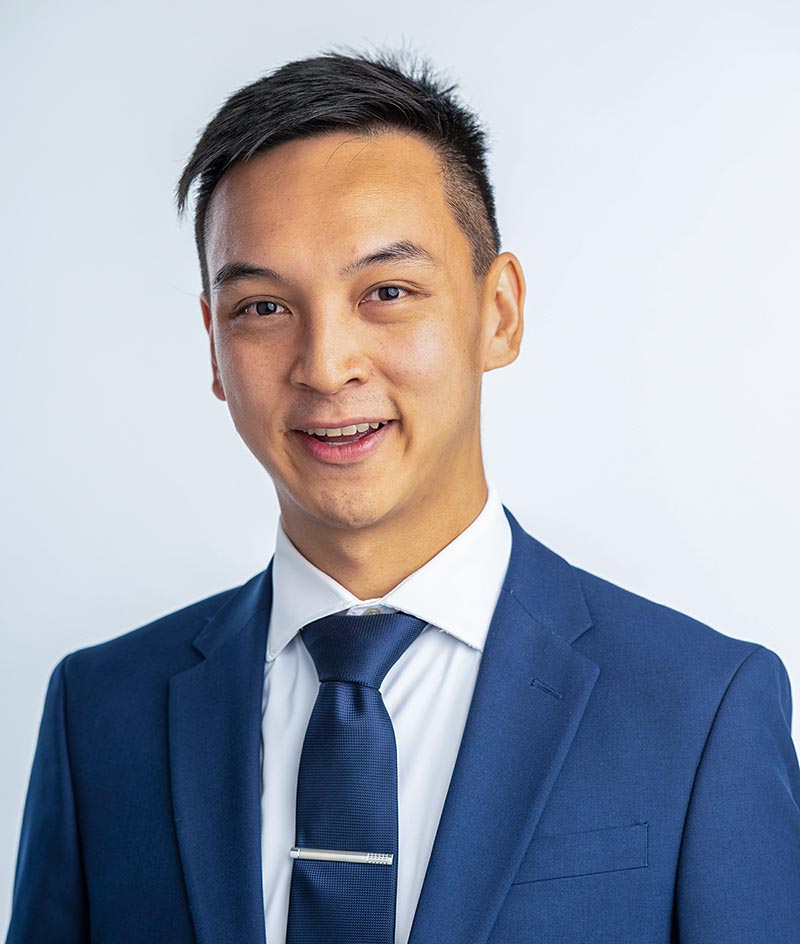
Dr. Wong is a Research Fellow in the National Clinician Scholars Program and a Clinical Instructor of Internal Medicine at the University of Michigan. His research focuses in applying artificial intelligence and machine learning to solve real-world problems in clinical practice, hospital operations, and medical education. He was a recent recipient of the national Felicia Hill-Briggs GIM Research Award, and his research has been widely cited, including in the White House Blueprint for an AI Bill of Rights. He currently serves on the Michigan Medicine Clinical Intelligence Committee, the University of Michigan Task Force for Generative AI in Research, and the IHPI committee for AI in Health Policy.
AI in the Arts: Navigating Artificial Intelligence with Creative Makers & Thinkers
Speaker: Darrell Nickolson, AIA, RID,Associate Professor, Herron School of Art + Design, Indiana University, Indianapolis
Date and Time: March 25, 2026, 11:00 AM CST
Abstract
Artificial intelligence and modern computer technology are rapidly reshaping higher education, particularly within the creative artistic disciplines. Over the past two decades, design software has evolved from a tool for manual documentation into a sophisticated partner in parametric modeling. While software like Revit and SketchUp offers powerful compositional methods, their integration into the classroom introduces a critical pedagogical challenge.
Traditionally, the design process is a thoughtful, linear progression—moving from pre-design and programming through schematic development to final documentation. This "design thinking" approach ensures that students deeply ideate before executing technical plans. However, the ease of modern parametric tools often lures students into the "Contract Documentation" phase prematurely. By jumping directly into algorithmic modeling to solve creative problems, students risk bypassing essential intellectual development, effectively surrendering their creative agency and intellectual property to the software. This talk explores the tension between human intuition and machine automation, describing how we can preserve the integrity of the designer’s role in an increasingly autonomous digital landscape.
Biography - Darrell Nickolson
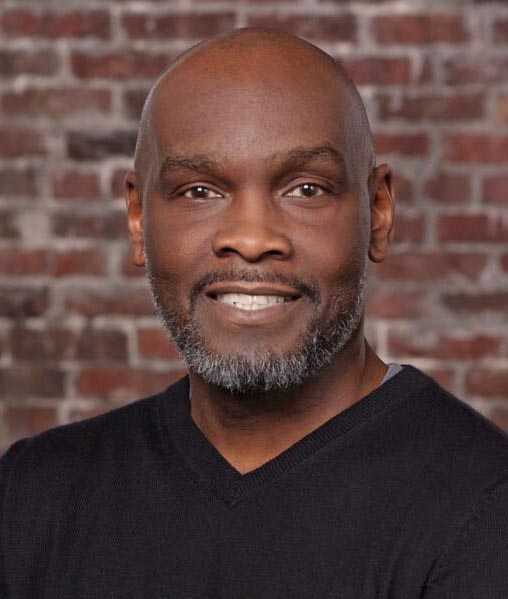
Darrell Nickolson serves as an Associate Professor at the Herron School of Art + Design on the Indiana University Indianapolis campus, where he specializes in the instruction of architectural and interior design graphics. His pedagogical and research initiatives are centered at the intersection of Evidence-Based Design (EBD) and Building Information Modeling (BIM), with a particular emphasis on the complexities of large-scale commercial environments and the theory of placemaking.
Professor Nickolson’s work is characterized by a commitment to community-based experiential learning and interdisciplinary collaboration. His design philosophy prioritizes the creation of built environments that substantively enhance the health, safety, and welfare of diverse user populations. Complementing his academic appointment, he maintains an active professional practice as a consultant with Curran Architecture in Indianapolis, ensuring a rigorous synthesis between contemporary industry standards and classroom theory.
Treading Lightly: A Risk-Informed AI/ML Innovation and Adoption in Critical Infrastructures and Public Safety Technologies
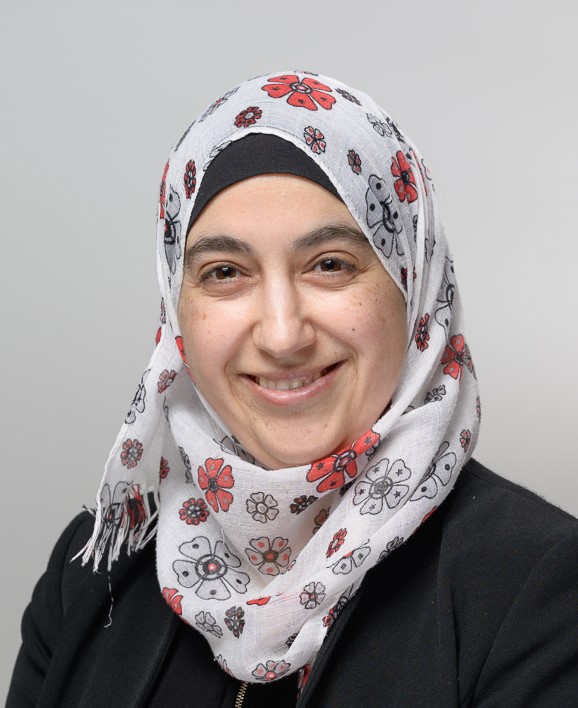
Speaker: Dr. Eman Hammad, Assistant Professor & Director, Innovations in Systems Trust and Resilience (iSTAR) Lab, Texas A&M University
Date and Time: February 25, 2026, 11:30 AM CST
Abstract
Amidst the accelerated innovations across all fields empowered by AI/ML, responsible, reliable, safe, ethical, secure, and trustworthy AI in the loop is a critical enabler for sustained innovation. However, establishing trust in complex and interconnected systems remains an elusive moving target, and even more challenging when integrating intelligence layers. This is particularly challenging in critical infrastructures and public safety domain due to their inherent risk profiles, motivating the development of frameworks for systematic understanding of the threat model, attack vectors, and mitigations. In this talk, we expand on challenges and opportunities, present recent work on risk-informad frameworks for AI/ML innovation.
 Biography - Eman Hammad
Dr. Hammad is a cybersecurity expert specializing in large-scale network, critical infrastructures and complex systems. Her research focuses on leveraging in-depth knowledge of the systems to improve cyber resilience by-design. Dr. Hammad received her PhD in Electrical and Computer Engineering from the University of Toronto and has gained a considerable industrial experience working for one of the big technical consulting companies. She is currently the director of the iSTAR lab (innovations in Systems Trust and Resilience) at Texas A&M University. Dr. Hammad is the co-chair of the IEEE Future Networks Security Working Group, and is the Co-Chair for the IEEE P1950.1 Standard for Communications Architectural Functional Framework for Smart Cities. Dr. Hammad has over 90 publications and is a recognized expert in the domain of cyber-physical systems' security and resilience, and security-by-design. Dr. Hammad is an IEEE Senior member and has delivered numerous keynotes and invited talks on engineering resilience and security by design for critical infrastructures. She is the recipient of best-paper awards, best poster awards, and junior faculty award.
AI for Science: Accelerating Chemistry and Materials Discovery
Speaker: Dr. Muhammed Shuaibi Research Engineer, Fundamental AI Research (FAIR), Meta
Date and Time: January 28, 2026 11 AM CST
Abstract
Scientific discoveries have traditionally been constrained by costly and time-consuming experiments. Although computational advances now allow researchers to study atomic systems using quantum mechanical simulations, these methods remain limited by feasible time and length scales. In this discussion, we will explore how AI is accelerating research in materials and molecular science. We will highlight our team's recent progress, from building datasets to training large-scale models, and discuss key challenges that lie ahead for AI-driven scientific discovery.
BiographyMuhammed Shuaibi, is a research engineer on the FAIR Chemistry team at Meta. His work focuses on building open data sets, models and tools for the scientific community. With his team, some of their most prominent releases include UMA, OMol25, OMat24 and OC20 – spanning molecules, materials and catalysts. While large computational efforts are critical, bridging the gap to experiments has become more pressing. Shuaibi is actively exploring ways to bring the models and tools they develop to make real scientific discoveries. He received his PhD degree in chemical engineering from Carnegie Mellon University. |
Fall 2025 Artificial Intelligence Initiative Webinar Series
AI Education across Disciplines
Speakers:
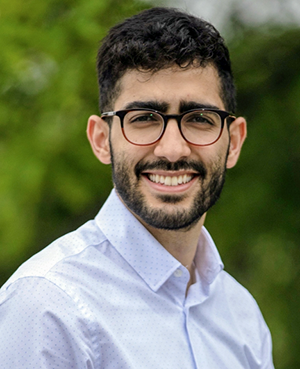
Florence Hudson, Executive Director, Northeast Big Data Innovation Hub at Columbia University
Emily Rothenberg, National Student Data Corps Program Manager, Columbia University
Forough Ghahramani, Vice President for Research and Innovation for New Jersey Edge
Date and Time: Nov 12, 2025, 11 AM CST
Abstract
Artificial Intelligence (AI) is infiltrating our everyday lives, from smart devices to medical diagnoses and education. Getting up to speed on AI and the data science field is a great opportunity across many domain areas. Join us to participate in a discussion with Florence Hudson who is Executive Director of the Northeast Big Data Innovation Hub (NEBDHub) and Founder of the National Student Data Corps (NSDC), Emily Rothenberg who is Program Manager of the NSDC, and Forough Ghahramani who is Vice President for Research and Innovation for New Jersey Edge (Edge) as they share the many open online resources available for learners, educators, professionals and citizens of all ages to learn, teach and leverage data in their learning and lives.
Biography - Florence HudsonFlorence Hudson is Executive Director of the Northeast Big Data Innovation Hub at Columbia University, Founder of the National Student Data Corps, and Founder & CEO of FDHint, LLC, a global advanced technology consulting firm. A former IBM Vice President and Chief Technology Officer, Internet2 Senior Vice President & Chief Innovation Officer, Special Advisor for the NSF Cybersecurity Center of Excellence, and aerospace engineer at the NASA Jet Propulsion Lab and Grumman Aerospace Corporation, she is an Editor and Author for Springer, Elsevier, Wiley, IEEE, and other publications. She leads the development of global IEEE/UL standards to increase Trust, Identity, Privacy, Protection, Safety and Security (TIPPSS) for connected healthcare data and devices and other cyber-physical systems, and is Vice Chair of the IEEE Engineering in Medicine & Biology Society Standards Committee. She earned her Mechanical and Aerospace Engineering degree from Princeton University, and executive education certificates from Harvard Business School and Columbia University. |
|
|
|
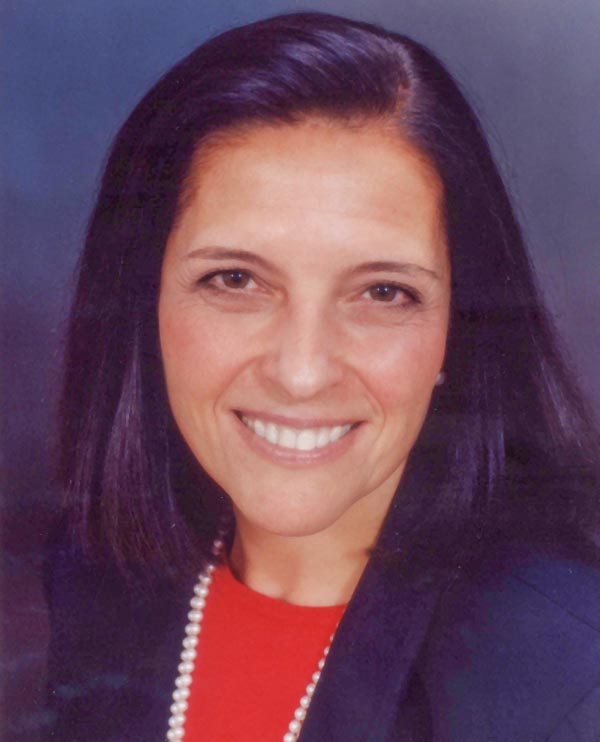
Biography - Emily RothenbergEmily Rothenberg is the Program Manager of the National Student Data Corps (NSDC), a global program hosted by the Northeast Big Data Innovation Hub (NEBDHub), headquartered at the Data Science Institute of Columbia University. Her passion lies in using mathematics, data science, and logic to solve real-world problems, with a focus on supporting missions that leverage data for social good. With a degree in Mathematical Finance, Information Technology, and Data Analytics, and 10 years of project management experience, she works to create data science resources, projects, and programs for learners of all ages, skill-levels, and backgrounds, and hopes to continue to broaden the community for data enthusiasts. |
|
|
|
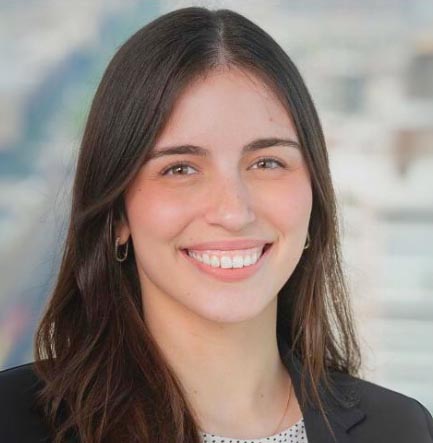
Biography - Forough GhahramaniForough Ghahramani is Vice President for Research and Innovation for New Jersey Edge (Edge). As chief advocate for research and discovery, Forough serves as an advisor and counsel to senior higher education leaders to help translate vision for supporting research collaborations and innovation into actionable Advanced CI strategy leveraging regional and national advanced technology resources. Forough was previously at Rutgers University providing executive management for the Rutgers Discovery Informatics Institute (RDI2. Forough's experience in higher education also includes previously serving as associate dean and department chair. Prior to joining academia, she held senior level engineering and management positions at Digital Equipment Corporation and Hewlett Packard (HP), also consulted to Fortune 500 companies in high performance computing environments. Forough is a Senior Member of IEEE, has an appointment to the NSF Engineering Research Visioning Alliance (ERVA) Standing Council, a Vice President for NJBDA's Research Collaboration committee, serves on the Northeast Big Data Innovation Hub and the Ecosystem for Research Networking (ERN) Steering committees. Forough has a doctorate in Higher Education Management from University of Pennsylvania, an MBA in Marketing from DePaul University, MS in Computer Science from Villanova University, and BS in Mathematics with a minor in Biology from Pennsylvania State University. Forough is consulted on the state, national, and international levels related to STEM workforce development strategies. She is currently a Principal Investigator on two NSF-funded projects: “EAGER: Empowering the AI Research Community through Facilitation, Access, and Collaboration” and “CC* Regional Networking: Connectivity through Regional Infrastructure for Scientific Partnerships, Innovation, and Education (CRISPIE).” She has previously served a co-PI on the NSF CC* OAC: Planning “Advanced Cyberinfrastructure for Teaching and Research at Rowan University and the Southern New Jersey Region,” the NSF CCRI: Planning “A Community Research Infrastructure for Integrated AI-Enabled Malware and Network Data Analysis,” and a co-PI on the NSF ADVANCE Partnership: “New Jersey Equity in Commercialization Collective.” |
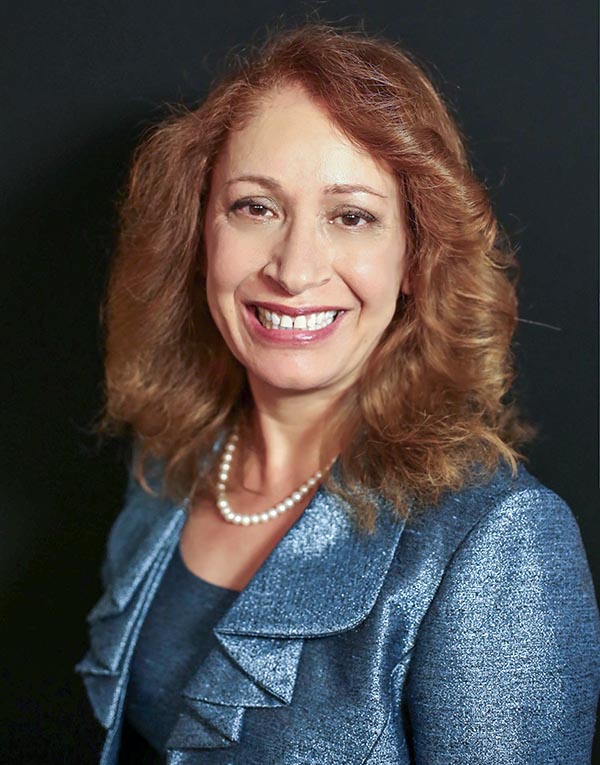
AI in Criminal Justice is Nothing New
Speaker: Chris Edley III, Executive Director of the AI and Justice Consortium
Date and Time: Nov 19, 2025, 11 AM CST
Abstract
AI has already entered our criminal legal and justice systems. From risk assessment, to facial recognition, to automated report writing, AI presents new challenges and opportunities for our access to and administration of justice. In this talk, Chris Edley III will use real world examples of discriminative and predictive AI in our justice systems to introduce the potential dangers, benefits, and limitations of these emerging technologies. He will conclude with an empowering counterargument to the dominant narrative: AI is really nothing new in terms of the technology itself, the harms and biases it might impose on Black and other criminalized peoples, and in terms of our ability to challenge and regulate it.
Biography
|
|
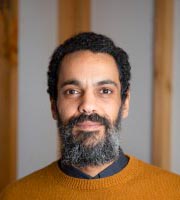
Advancing Transportation Assets Through AI-Powered Geospatial Analysis
Speaker: Dr. Safwan Wshah, Associate Professor, University of Vermont; Founder & Lead AI Scientist at Maplyzer LLC
Date and Time: Dec 3, 2025, 11 AM CST
Abstract
This talk highlights the transformative role of AI in geospatial analysis for the transportation sector. By leveraging computer vision, cross-view geo-localization, and advanced machine learning models, our work enables robust detection of road assets, evaluation of roadway safety, and integration of multi-view data sources (street-level, aerial, and satellite). We present methodologies that go beyond traditional asset management to deliver comprehensive insights into road quality, safety risks, and long-term infrastructure resilience. The discussion will also touch on broader applications in land cover mapping and environmental monitoring, emphasizing the potential of AI-driven geospatial tools to enhance decision-making across domains.
Biography - Safwan WshahDr. Safwan Wshah is an Associate Professor of Computer Science at the University of Vermont and the founder of the Vermont Artificial Intelligence Lab (VaiL). He is also the founder and lead AI scientist at Maplyzer LLC, a startup originated from UVM that specializes in AI-powered road-asset recognition and safety assessment. His research focuses on machine learning, computer vision, and cross-view geo-localization, with applications in transportation, environmental monitoring, and healthcare. Dr. Wshah has published extensively in top journals and conferences, holds multiple patents, and has secured over $2.8M in research funding from agencies such as NSF, NIH, NOAA, and state DOTs. He is also a Fulbright Global Scholar, advancing AI research in Jordan and internationally. |
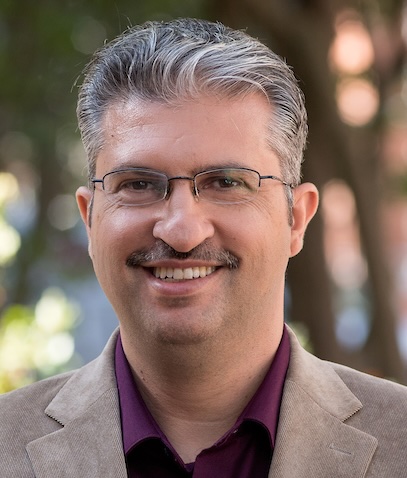
Fall 2025 CINSER Webinar Series
Computational Devices and Applications of 2D Materials
Speaker: Dr. Shaloo Rakheja, Associate Professor and Director of the Center for Advanced Semiconductor Chips with Accelerated Performance (ASAP), University of Illinois, Urbana-Champaign
Date and Time: November 5, 2025 11:00 AM - 12:00 Noon Central Time
Abstract
Two-dimensional (2D) materials have emerged as promising candidates for beyond-silicon channel materials in gate-all-around (GAA) transistor architectures, thanks to their exceptional performance at the atomic scale. Their atomically thin nature gives rise to strong coupling between electronic, optical, and mechanical properties, enabling functionalities that are difficult to achieve with bulk materials. Thousands of 2D materials with intriguing electronic characteristics have been computationally predicted, offering a vast design space for next-generation devices.
In this talk, the focus is on a particularly important class of 2D materials—transition metal dichalcogenides (TMDs)—which are not only integral to beyond-silicon logic transistors but also hold significant potential for emerging technologies such as memristive devices for neuromorphic computing and reconfigurable electronics for hardware security. The webinar will cover recent advances in TMD-based transistors, emphasizing the role of mechanical strain in enhancing carrier mobility and device performance, and will present benchmarking results against projected silicon-based technologies. Furthermore, the speaker will share latest research on non-volatile devices that combine 2D ferroelectrics with TMD channel materials in Schottky barrier transistor architectures. These devices are reconfigurable, that is, they can dynamically alter their functionality, enabling logic locking and offering a lightweight, robust solution for integrated circuit security. Finally, the speaker will outline a vision for a "More-than- Moore" future, where 2D materials and devices unlock entirely new functionalities and computing paradigms beyond conventional scaling.
Biography - Shaloo RakhejaShaloo Rakheja is an Associate Professor and Intel Alumni Endowed Faculty Fellow in the Electrical and Computer Engineering (ECE) department at the University of Illinois at Urbana-Champaign (UIUC). Previously, she was Assistant Professor of ECE at New York University (2015 – 2019) and a Postdoctoral Associate at the Microsystems Technology Laboratory at the Massachusetts Institute of Technology (2012 – 2014). She leads the Center for Advanced Semiconductor Chips with Accelerated Performance (ASAP) – an Industry-University Cooperative Research Center, funded by the NSF, industry, and government and addressing the energy challenge of computing systems. She is also the Director of Illinois Semiconductor Workforce Network (ISWN), a collaboration between academic institutions, national labs, industry, and IL ecosystem to address the workforce needs of the semiconductor industry. Shaloo is an expert in physics-based modeling of nanoelectronic devices for energy-efficient computing and communication. She has developed multi-scale models that enable materials-to-circuits co-design for a wide range of technologically relevant applications. |
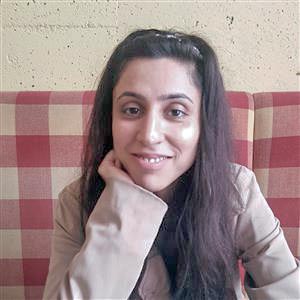
Aerial and RIS-assisted Edge Computing for Intelligent Transportation Services
Speaker: Dr. Wael Jaafar
Date and Time: Oct 1, 2025, 11 AM CST
Abstract
The emergence of Intelligent Transportation Systems (ITS) has driven the deployment of connected and autonomous vehicles that support computation-intensive and delay-sensitive applications. This development has highlighted the challenges posed by the limited resources of user devices in vehicular networks. To address these challenges, innovative solutions are needed, particularly in the context of 6G, enabled by aerial platforms of Unmanned Aerial Vehicles (UAVs) and High-Altitude Platform Stations (HAPS), and by reconfigurable intelligent surfaces (RIS). In this context, we will formulate the task offloading problems of vehicular networks when supported by aerial platforms equipped or not with RIS, then we will discuss different solutions that can be adopted to enhance the tasks success rate while preserving energy. Our proposed methods represent a significant advancement in managing ITS services through cooperative UAV-HAPS-RIS frameworks.
Biography - Wael JaafarWael Jaafar (S’08, M’14, SM’20) is an Associate Professor at the Software and IT Engineering Department of École de Technologie Supérieure (ÉTS), University of Quebec, Montreal, Canada since September 2022. He holds Masters and PhD degrees from Polytechnique Montreal, Canada. Between 2019 and 2022, Dr. Jaafar was an NSERC Postdoctoral Fellow with the Systems and Computer Engineering Department of Carleton University. From 2014 to 2018, he pursued a career in the telecommunications industry where he has been involved in designing telecommunication solutions for projects across Canada and abroad. During his career, Dr. Jaafar was a visiting researcher at Khalifa University, Abu Dhabi, UAE in 2019, Keio University, Tokyo, Japan in 2013, and UQAM, Montreal, Canada in 2007. He received several prestigious grants including (the National Sciences and Engineering Research Council of Canada (NSERC) Alexander-Graham Bell scholarship, the Fonds de recherche du Québec–Nature et technologies (FRQNT) scholarship, and best paper awards at CIoT 2024, IEEE ISCC 2023, and IEEE ICC 2021. His research interests include wireless communications, integrated terrestrial and non-terrestrial networks, resource allocation, edge caching and computing, and machine learning for communication and networks. |
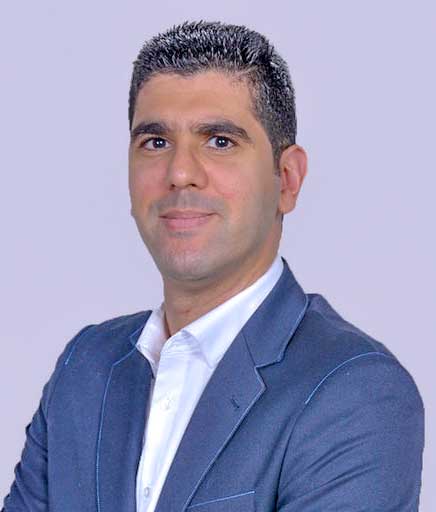
The Evolution of Advanced Air Mobility, A New Dimension of Mobility
Speaker: Dr. Kamesh Namuduri
Date and Time: Sept 3, 2025, 11 AM CST
Abstract
Since the first announcement on November 1st, 2018, by NASA, UAM/AAM evolved into
a concrete form of mobility that we can expect to be practically realized in the next
few years. This presentation outlines how NASA's vision is turning into a reality
in front of us, what we can expect in the short term and long term. It highlights
various components of the AAM ecosystem, research topics, challenges, and opportunities
that lie ahead of us. This presentation is based on direct and practical experience
gained over the past five years, working closely with and leading the North Texas
Cohort, a public-private-academic-
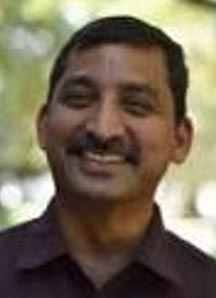
Biography - Kamesh NamuduriKamesh Namuduri is a University Distinguished Research Professor of Electrical Engineering and the director of Autonomous Systems Laboratory at the University of North Texas (UNT). Namuduri is named as a “Distinguished Lecturer” by the IEEE Vehicular Technology Society for the term 2021-2025. He is serving as a Vice Chair for “Aerial Communications”, an Emerging Technology Initiative of the IEEE Communication Society, as an Expert Adviser on UAVs, COM/Access Core Standards Committee, IEEE Communications Society, and as a Co-Chair for the IEEE Future Networks Initiative Public Safety Technology Task Force. He is a co-editor for the book titled “UAV Networks and Communications” published by the Cambridge University Press in 2017. He led the Smart and Connected Community project on “Deployable Communication Systems” in collaboration with the government, public, and private organizations. He contributed to the development of research agenda, requirements and blueprints highly deployable communications systems led by the National Institute of Standards and Technology and National Public Safety Telecommunications Council. |
Spring 2025 CINSER Webinar Series
The Malicious Manipulation and Use of AI Algorithms in the Hands of Extremist Groups
Speaker: Spiros Bamiatzis, Department Chair, and Professor of Cybersecurity, IvyTech Community College, Lake County
Date and Time: April 2, 2025 11 AM – 11:45 Central Time
Abstract
Extremist groups have increasingly spread dangerous content by exploiting AI tools such as ChatGPT. Any attempt to block these groups’ content is challenging due to "jailbreak" mechanisms and the flexibility these models have in continuously learning and adapting to new data. In this presentation, we will describe the existing general landscape of AI, along with some necessary definitions pertaining to machine learning, deep learning, and narrow and general intelligence. Furthermore, we will develop the concept of how new technologies contextualize the malicious use of AI.
Following that we will demonstrate the impact of AI in three categories of threat: cyber, physical and political. We will attempt to outline the response, the inventory of cybersecurity tools for the prevention of the malicious use of AI, and the presentation will close with an investigating look into the future malicious uses of AI by extremist groups and individuals.
This webinar was hosted by the Illiana Consortium for Intelligence and Critical Technology (IC2Tech)
Fall 2024 CINSER Webinar Series
Careers in Semiconductors: Opportunities and Resume Preparation
Speaker: Jessica Voss, Campus Relationship Manager, Intel Corporation
Date and Time: December 4, 2024 11 AM – 11:45 Central Time
Are you interested in a career in the semiconductor industry? Join us to talk about career pathways in the semiconductor industry and to discover the tips and tricks of resume preparation.
CARNATIONS Webinars
High-Altitude Pseudo Satellites (HAPS) for Reliable Connectivity and Navigation Services
Speaker: Dr. Hany Elgala, Universityat Albany- SUNY
Date and Time: March 5, 2025 at 11:00am CST
Abstract
High-Altitude Platform Systems (HAPS) represent a transformative technology for enhancing connectivity and navigation. Operating in the Near Space between 20 and 100 km, a HAPS combines the features of an aircraft and a satellite, providing coverage that bridges terrestrial networks and satellite communication. The integration of HAPS into existing infrastructures holds substantial promise for more reliable connectivity and navigation services. A key application of HAPS is supporting future transportation systems such as autonomous vehicle operations. In this talk, we will introduce the HAPS as a technology for telecommunication and navigation services. The focus is on the essential elements of wireless communications aspects and issues affecting HAPS system performance, such as propagation, channel modeling, and transmission reliability. Finally, we will discuss the present and future of this technology.
Biography
|
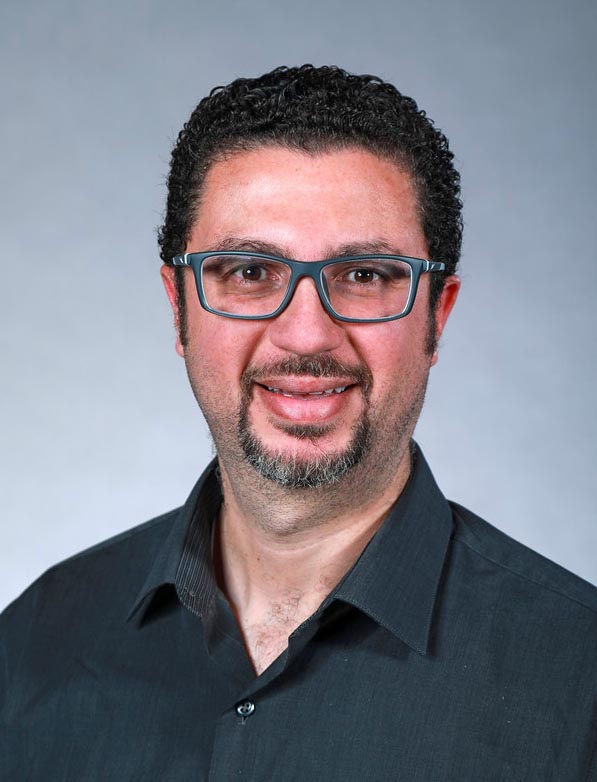 Hany Elgala (IEEE, Member) is an Associate Professor in the Electrical and Computer
Engineering Department, at the University at Albany (UAlbany) - State University of
New York (SUNY). Before joining UAlbany, he was a Research Professor at Boston University
and the communications testbed leader in the Light Enabled Systems & Applications
(LESA) Engineering Research Center (ERC). Dr. Elgala has been actively engaged in
optical wireless communication research for over 18 years. Currently, he serves as
Editor-in-Chief for the Scifiniti Comm&Optics Connect Journal. He was an editor for
the IEEE Transactions on Communications (TCOM), IEEE Transactions on Cognitive Communications
and Networking, IEEE Access, and Frontiers. He has co-authored over 120 publications
including several patents and book chapters.
Hany Elgala (IEEE, Member) is an Associate Professor in the Electrical and Computer
Engineering Department, at the University at Albany (UAlbany) - State University of
New York (SUNY). Before joining UAlbany, he was a Research Professor at Boston University
and the communications testbed leader in the Light Enabled Systems & Applications
(LESA) Engineering Research Center (ERC). Dr. Elgala has been actively engaged in
optical wireless communication research for over 18 years. Currently, he serves as
Editor-in-Chief for the Scifiniti Comm&Optics Connect Journal. He was an editor for
the IEEE Transactions on Communications (TCOM), IEEE Transactions on Cognitive Communications
and Networking, IEEE Access, and Frontiers. He has co-authored over 120 publications
including several patents and book chapters.
Smart Roads for Resiliance in Intelligent Transportation Systems
Speaker: Dr. Mona Jaber, Queen Mary University of London, UK
Date and Time: February 5, 2025 at 11:00am CST
Abstract
Biography
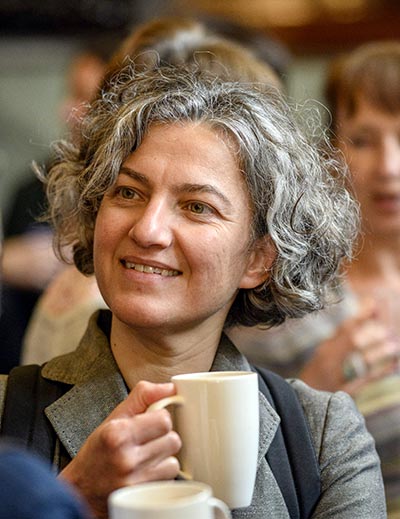 Mona Jaber is a Senior Lecturer in IoT with the School of Electronic Engineering and Computer
Science, Queen Mary University of London. Her research interests include zero-touch
networks, the intersection of ML and IoT in the context of sustainable development
goals, and IoT-driven digital twins. In this regard, she has published in the areas
of sustainable energy, smart mobility, and privacy-preserving e-health. As part of
her industry research collaboration efforts, Mona has established a ground-breaking project that uses optical fibre systems for the
detection and classification of active travel – a robust, scalable, and privacy-preserving
method that informs smart city and safety in transportation planning. She is the director
of the ‘Digital Twins for Sustainable Development Goals’ research lab at QMUL, where
she attracted the first multidisciplinary core team to further the studies in this
area. Mona was awarded the title of N2Women Rising Star in Computer Networking and Communications
in 2022. She is a committee member of the IEEE-PST-Transportation group and an executive
committee member of the IEEE UK and Ireland Women in Engineering affinity group.
Mona Jaber is a Senior Lecturer in IoT with the School of Electronic Engineering and Computer
Science, Queen Mary University of London. Her research interests include zero-touch
networks, the intersection of ML and IoT in the context of sustainable development
goals, and IoT-driven digital twins. In this regard, she has published in the areas
of sustainable energy, smart mobility, and privacy-preserving e-health. As part of
her industry research collaboration efforts, Mona has established a ground-breaking project that uses optical fibre systems for the
detection and classification of active travel – a robust, scalable, and privacy-preserving
method that informs smart city and safety in transportation planning. She is the director
of the ‘Digital Twins for Sustainable Development Goals’ research lab at QMUL, where
she attracted the first multidisciplinary core team to further the studies in this
area. Mona was awarded the title of N2Women Rising Star in Computer Networking and Communications
in 2022. She is a committee member of the IEEE-PST-Transportation group and an executive
committee member of the IEEE UK and Ireland Women in Engineering affinity group.
Exploring Auditory Perception for Autopiloting with CARLA Simulator
Speaker: Dr. Jian Tao, Texas A&M University
Date and Time: September 11, 2024 at 11:00am CST
Abstract
In this talk, we will present our project aimed at enhancing the CARLA simulator by integrating auditory information to improve the perception capabilities of autonomous vehicles. The primary objective is to incorporate sound-based data to augment the decision-making processes of autopiloting systems, enabling them to respond more effectively to their environment. We will discuss the development and integration of virtual microphones and other auditory sensors within the CARLA environment, specifically designed to detect sirens. The talk will cover the implementation of the sound processing algorithm for sound source localization, classification, and event detection. A sample autopilot system is demonstrated to automatically pull over the car when approaching sirens are detected and resume driving once the sirens fade away. This project aims to push the boundaries of autonomous vehicle technology, making it more perceptive, responsive, and safer for real-world deployment, while also advancing the simulation capabilities of the CARLA platform.
Biography
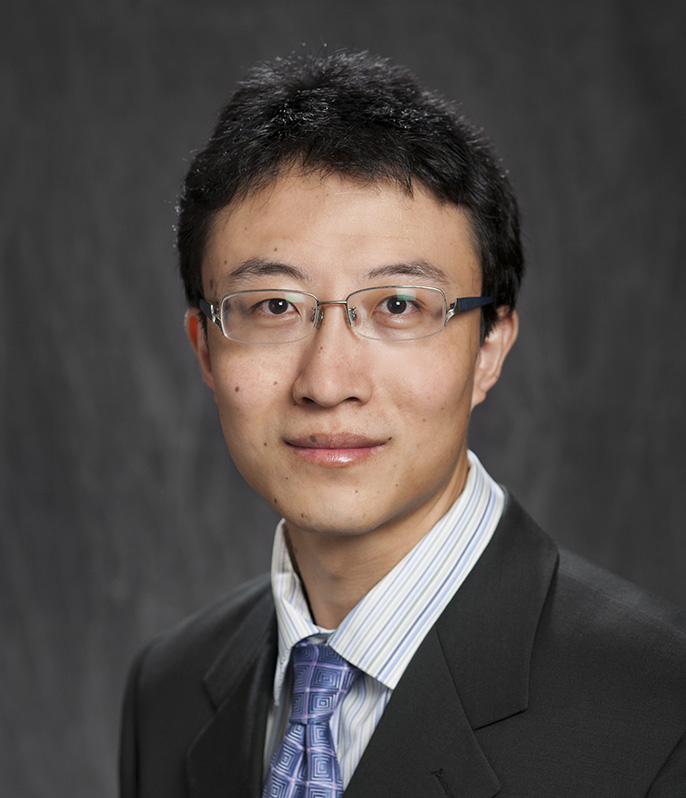 Dr. Jian Tao is an Assistant Professor from the Section of Visual Computing & Computational
Media in the School of Performance, Visualization & Fine Arts at Texas A&M University.
He is also the Director of the Digital Twin Lab and the Assistant Director for Project
Development at the Texas A&M Institute of Data Science. Tao received his Ph.D. in
Computational Astrophysics from Washington University in St. Louis in 2008 and worked
on computational frameworks for numerical relativity, computational fluid dynamics,
coastal modeling, and other applications at Louisiana State University before he joined
Texas A&M in 2016. In 2018, Tao led the Texas A&M team to the final of both the ASC18
and SC18 student cluster competitions. He is a faculty advisor of the Texas A&M 12th
Unmanned Team for the SAE/GM AutoDrive Challenge Competition. Supported by a grant
from the Department of Commerce, Tao is leading an effort to build a digital twin
for the Disaster City managed by the Texas A&M Engineering Extension Service. Tao
is an NVIDIA DLI University Ambassador and a contributor to the SPEC CPU 2017 benchmark
suite. He currently serves as the Testbed Committee Co-Chair of the IEEE Public Safety
Technology Initiative. His research interests include digital twin, numerical modeling,
machine learning, data analytics, distributed computing, visualization, and workflow
management.
Dr. Jian Tao is an Assistant Professor from the Section of Visual Computing & Computational
Media in the School of Performance, Visualization & Fine Arts at Texas A&M University.
He is also the Director of the Digital Twin Lab and the Assistant Director for Project
Development at the Texas A&M Institute of Data Science. Tao received his Ph.D. in
Computational Astrophysics from Washington University in St. Louis in 2008 and worked
on computational frameworks for numerical relativity, computational fluid dynamics,
coastal modeling, and other applications at Louisiana State University before he joined
Texas A&M in 2016. In 2018, Tao led the Texas A&M team to the final of both the ASC18
and SC18 student cluster competitions. He is a faculty advisor of the Texas A&M 12th
Unmanned Team for the SAE/GM AutoDrive Challenge Competition. Supported by a grant
from the Department of Commerce, Tao is leading an effort to build a digital twin
for the Disaster City managed by the Texas A&M Engineering Extension Service. Tao
is an NVIDIA DLI University Ambassador and a contributor to the SPEC CPU 2017 benchmark
suite. He currently serves as the Testbed Committee Co-Chair of the IEEE Public Safety
Technology Initiative. His research interests include digital twin, numerical modeling,
machine learning, data analytics, distributed computing, visualization, and workflow
management.
This webinar has passed. To listen to a recording of the session please click on the video above.
Enhancing AI/ML-Based Attack Detection in Connected and Autonomous Vehicles through Generative AI and Combinatorial Fusion Analysis
Speaker: Dr. Mohamed Rahouti, Fordham University
Date and Time: October 9, 2024 at 11:00am CST
Abstract
Ensuring the security and reliability of Connected and Autonomous Vehicles (CAVs)
necessitates robust intrusion and attack detection mechanisms. While AI and ML methods
have shown promise in this area, there is a pressing need for strategies that enhance
their generalizability and
robustness. This talk will explore the synergy of Generative AI (GAI) and Combinatorial
Fusion Analysis (CFA) in improving attack detection systems for CAVs. CFA integrates
multiple pre- trained AI/ML models using sophisticated fusion algorithms, enhancing
overall performance and
reliability. Simultaneously, GAI models, such as GANs, VAEs, and GPTs, can augment
and balance datasets, generating new features to enrich data representation. The combination
of GAI and CFA offers a powerful and sustainable platform for detecting and mitigating
a wide range of cyber threats in CAV environments. This presentation will delve into
recent advances in intrusion detection, highlighting the effectiveness of the GAI/CFA
approach specifically tailored for CAVs.
Biography
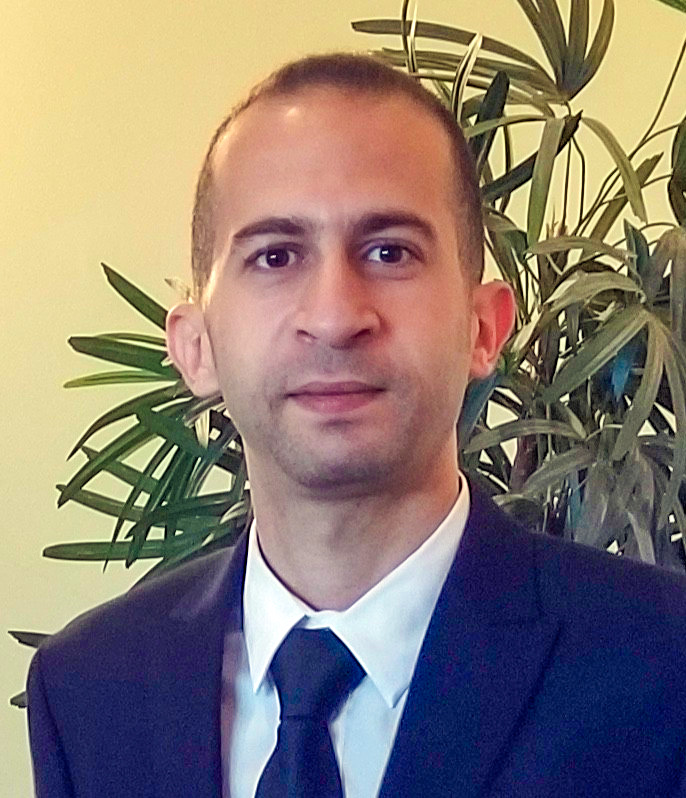 Mohamed Rahouti received an M.S. degree in Mathematics (Statistics Concentration)
and a Ph.D. degree in Electrical and Computer Engineering, both from the University
of South Florida (Tampa, FL). He is currently an Assistant Professor in the Department
of Computer and Information Science at Fordham University in New York City. His research
interest focuses on blockchain technology, computer networking, machine learning,
and network security with applications to smart cities. Dr. Rahouti has authored/co-authored
over 50 peer-reviewed journals/conference papers and is a member of the IEEE Computer
and Communications Societies. Mohamed Rahouti received an M.S. degree in Mathematics (Statistics Concentration)
and a Ph.D. degree in Electrical and Computer Engineering, both from the University
of South Florida (Tampa, FL). He is currently an Assistant Professor in the Department
of Computer and Information Science at Fordham University in New York City. His research
interest focuses on blockchain technology, computer networking, machine learning,
and network security with applications to smart cities. Dr. Rahouti has authored/co-authored
over 50 peer-reviewed journals/conference papers and is a member of the IEEE Computer
and Communications Societies. |
 ©
Chicago State University
©
Chicago State University  All Rights Reserved
 (773) 995-2000